
Incontinence
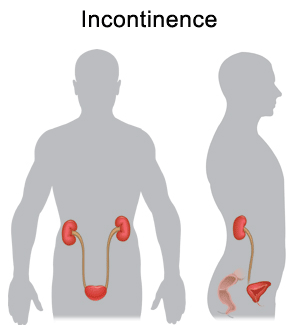
Incontinence is the loss of bladder or bowel control, resulting in involuntary leakage of urine or feces.
Request an Appointment Call Myrtle Beach Call Murrells Inlet
Pelvic floor muscle weakness, resulting in a reduction of muscular support for the bladder, uterus or rectum, may be the cause. The muscles, because of disuse, are unable to tighten and keep the openings closed.
Incontinence of urine may be termed:
- Stress (leakage with physical activity, coughing, sneezing or laughing)
- Urgency or Frequency (involuntary bladder emptying whenever the sensation of urge is felt)
Involuntary leakage of feces and gas can be the result of chronic constipation or trauma.
Behavioral assessment of food, beverage and medication consumption can identify contributing factors.
Treatment often includes:
- Retraining bowel and bladder habits.
- Abdominal muscle rehabilitation.
- Pelvic floor muscle rehabilitation (with or without electrical stimulation).
- Biofeedback.
Possible Treatments
Possible Treatment Goals
- Improve Function
- Improve Muscle Strength and Power
- Improve Proprioception
- Improve Relaxation
- Self-care of Symptoms
- Improve Tolerance for Prolonged Activities
More Systemic articles
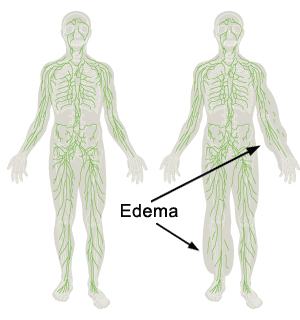
Lymphedema
It may occur after mastectomy, when lymph nodes are damaged or removed, following infection or scar formation which blocks the lymphatic fluid flow.
Read the articlePelvic Floor Tension/Pain
Pelvic floor muscle tension or pain may occur in the anatomical sling of muscles which support the bladder, uterus and rectum.
Read the article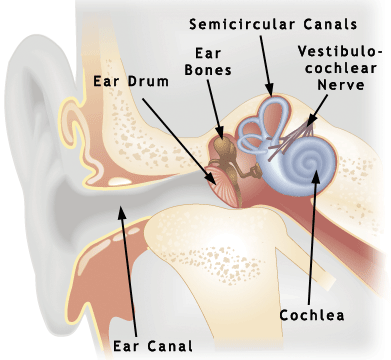
Benign Paroxysmal Positional Vertigo
Vertigo, in particular "benign paroxysmal positional vertigo (BPPV)", is a common disorder in which the patient complains of spinning and dizziness with…
Read the articleDisclaimer
The information in this medical library is intended for informational and educational purposes only and in no way should be taken to be the provision or practice of physical therapy, medical, or professional healthcare advice or services. The information should not be considered complete or exhaustive and should not be used for diagnostic or treatment purposes without first consulting with your physical therapist, occupational therapist, physician or other healthcare provider. The owners of this website accept no responsibility for the misuse of information contained within this website.