
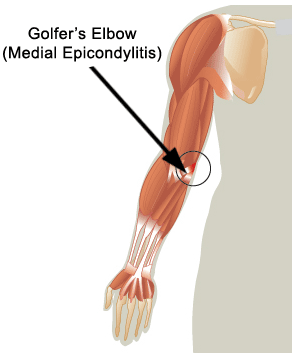
Golfer's Elbow (Medial Epicondylalgia)
People that suffer from golfer’s elbow are often involved with racquet sports or golf. As with tennis elbow, they may overuse the forearm, traumatize the elbow by hitting several “fat” golf shots, or have poor swing technique.
Request an Appointment Call Myrtle Beach Call Murrells Inlet
Pain at the inner aspect of the elbow and reproduction of symptoms with resisted wrist flexion are common.
Activity modification, anti-inflammatory medications, ice, and progressive stretching and strengthening will relieve most cases. Surgery is only an option in recalcitrant cases.
Possible Treatments
- Cryotherapy or Cold Therapy
- Elbow Active Range of Motion
- Elbow Joint Mobilization
- Elbow Passive Range of Motion
- Elbow Resistive Range of Motion
- Electrotherapeutic Modalities
- Foam Roll Exercise
- Isometric Exercise
- Iontophoresis
- Proprioceptive Neuromuscular Facilitation (PNF)
- Physical Agents
- Soft Tissue Mobilization
- Stretching/Flexibility Exercise
Possible Treatment Goals
- Decrease Risk of Reoccurrence
- Improve Fitness
- Improve Function
- Improve Muscle Strength and Power
- Increase Oxygen to Tissues
- Improve Range of Motion
- Improve Relaxation
- Self-care of Symptoms
- Improve Tolerance for Prolonged Activities
Additional Resources
More Elbow articles
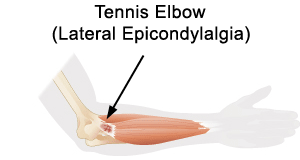
Tennis Elbow (Lateral Epicondylalgia)
Lateral (meaning away from the midline of the body) epicondylalgia (meaning pain of the epicondyle) is a painful condition on the outer aspect of the…
Read the article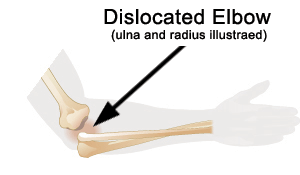
Fractures/Dislocation Elbow
Elbow fractures usually involve a fall onto the outstretched arm or a direct trauma to the elbow.
Read the article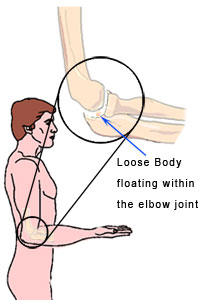
Loose Bodies
Loose bodies are usually the result of old injuries or osteoarthritis of elbow joint.
Read the articleDisclaimer
The information in this medical library is intended for informational and educational purposes only and in no way should be taken to be the provision or practice of physical therapy, medical, or professional healthcare advice or services. The information should not be considered complete or exhaustive and should not be used for diagnostic or treatment purposes without first consulting with your physical therapist, occupational therapist, physician or other healthcare provider. The owners of this website accept no responsibility for the misuse of information contained within this website.