
Acromioclavicular Separation (Separated Shoulder)
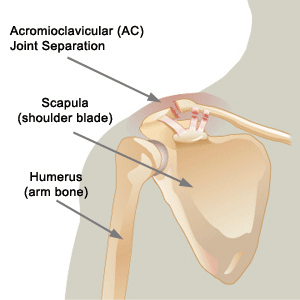
An “AC Separation” is commonly the result of a fall on the end of the shoulder. It results in pain, swelling, and often deformity in which it appears that the collar bone is “sticking up.”
Request an Appointment Call Myrtle Beach Call Murrells Inlet
Treatment for a separated shoulder usually involves rest, ice, pain and anti-inflammatory medication, and physical therapy to restore motion. Rarely is surgery indicated. However, sometimes the ligaments that attach the collar bone to the shoulder blade are repaired.
Possible Treatments
- Active Assistive Range of Motion
- Cryotherapy or Cold Therapy
- Electrotherapeutic Modalities
- Isometric Exercise
- Proprioception Exercises
- Physical Agents
- Shoulder Active Range of Motion
- Shoulder Joint Mobilization
- Shoulder Passive Range of Motion
- Shoulder Resistive Range of Motion
- Soft Tissue Mobilization
- Stretching/Flexibility Exercise
Possible Treatment Goals
- Improve Function
- Optimize Joint Alignment
- Improve Muscle Strength and Power
- Improve Proprioception
- Decrease Postoperative Complications
- Improve Range of Motion
- Self-care of Symptoms
- Improve Tolerance for Prolonged Activities
More Shoulder articles
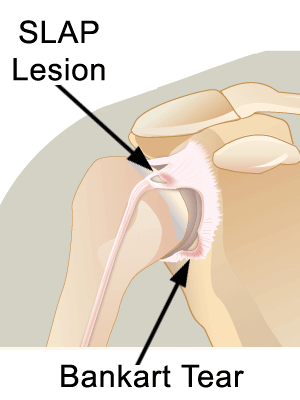
Labral Tears
The labrum is a cartilage ring that surrounds the shoulder socket (called the glenoid) and makes it deeper.
Read the article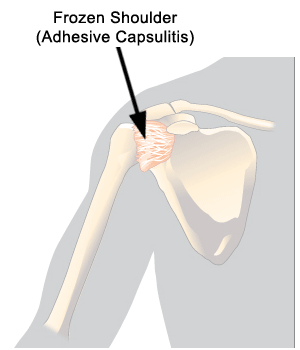
Adhesive Capsulitis (Frozen Shoulder)
Adhesive Capsulitis, or a frozen shoulder, is a poorly understood condition in which the deepest layers of soft tissue, called the joint capsule, become…
Read the article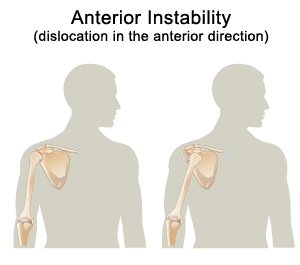
Shoulder Instability
Shoulder instability occurs when the shoulder moves completely out of its socket (dislocation) and requires a medical professional to “relocate it”, or…
Read the articleDisclaimer
The information in this medical library is intended for informational and educational purposes only and in no way should be taken to be the provision or practice of physical therapy, medical, or professional healthcare advice or services. The information should not be considered complete or exhaustive and should not be used for diagnostic or treatment purposes without first consulting with your physical therapist, occupational therapist, physician or other healthcare provider. The owners of this website accept no responsibility for the misuse of information contained within this website.