
Adhesive Capsulitis (Frozen Shoulder)
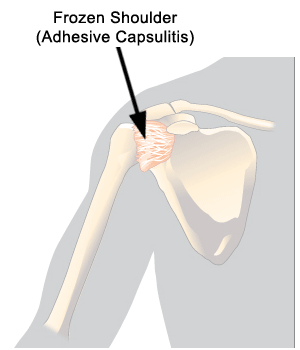
Adhesive Capsulitis, or a frozen shoulder, is a poorly understood condition in which the deepest layers of soft tissue, called the joint capsule, become diseased. Shoulder range of motion becomes very limited and painful.
Request an Appointment Call Myrtle Beach Call Murrells Inlet
The cause of a frozen shoulder is still not known but minor traumas, hyperthyroidism, diabetes, psychiatric patients, post-surgical patients, and prolonged immobilization of the shoulder may in someway cause this condition. The disease is characterized as having freezing, frozen, and thawing stages, and is self-limiting (in time it goes away on its own). However, it can take two years or more to recover from this condition.
Physical therapy consisting of patient education, stretching, joint mobilization, and a home exercise program can help speed recovery. For a small percentage of frozen shoulder patients, it may take two years or more to recover.
Possible Treatments
- Active Assistive Range of Motion
- Cryotherapy or Cold Therapy
- Electrotherapeutic Modalities
- Heat Pack
- Isometric Exercise
- Proprioceptive Neuromuscular Facilitation (PNF)
- Posture Training
- Physical Agents
- Shoulder Active Range of Motion
- Shoulder Joint Mobilization
- Shoulder Passive Range of Motion
- Shoulder Resistive Range of Motion
- Soft Tissue Mobilization
- Stretching/Flexibility Exercise
Possible Treatment Goals
- Decrease Risk of Reoccurrence
- Improve Function
- Improve Muscle Strength and Power
- Increase Oxygen to Tissues
- Improve Proprioception
- Improve Range of Motion
- Improve Relaxation
- Self-care of Symptoms
More Shoulder articles
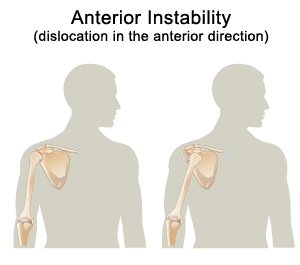
Shoulder Instability
Shoulder instability occurs when the shoulder moves completely out of its socket (dislocation) and requires a medical professional to “relocate it”, or…
Read the articleReoccurring Dislocations
For those patients with reoccurring dislocations or instability, treatment is to modify or avoid the known activities, rehabilitate the shoulder with a…
Read the article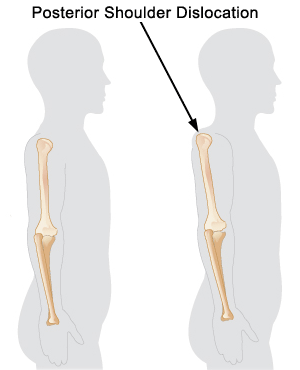
Posterior Dislocation
Dislocations in which the arm moves backward out of the socket (called a posterior dislocation) are uncommon (4%).
Read the articleDisclaimer
The information in this medical library is intended for informational and educational purposes only and in no way should be taken to be the provision or practice of physical therapy, medical, or professional healthcare advice or services. The information should not be considered complete or exhaustive and should not be used for diagnostic or treatment purposes without first consulting with your physical therapist, occupational therapist, physician or other healthcare provider. The owners of this website accept no responsibility for the misuse of information contained within this website.