
Fibromyalgia
Predominant in young and middle-aged women, Fibromyalgia syndrome (FMS) is a musculoskeletal system disorder characterized by chronic pain and tender points. Tender points are specific places on the neck, shoulders, back, hips, arms, and legs. These points hurt when pressure is put on them.
Request an Appointment Call Myrtle Beach Call Murrells Inlet
Other symptoms may include:
- Stiffness
- Fatigue
- Sleep Disturbance
- Headache
- Depression
- Impaired Muscular Performance
- Difficulty with Concentration and Memory (called Fibro Fog).
Due to the lack of understanding of its cause and how the disease effects the body (the pathophysiology), several treatment modalities such as antidepressant therapy, biofeedback, aquatic and land exercise have been suggested. Several studies have reported that exercise programs are helpful with the recovery of function and a decrease in pain.
Physical therapists can be a valuable resource and many have extensive knowledge regarding rehabilitation of patients with Fibromyalgia.
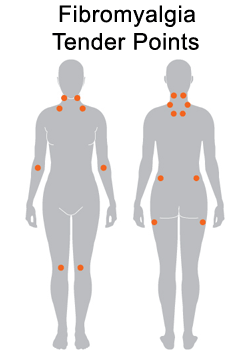
Possible Treatment Goals
- Improve Fitness
- Improve Function
- Improve Muscle Strength and Power
- Increase Oxygen to Tissues
- Improve Proprioception
- Improve Range of Motion
- Improve Relaxation
- Self-care of Symptoms
- Improve Safety
- Improve Tolerance for Prolonged Activities
More Systemic articles
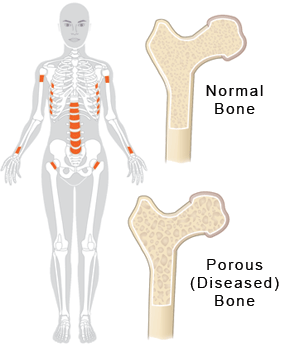
Osteoporosis
Osteoporosis is a disease in which bones become fragile and more likely to break.
Read the article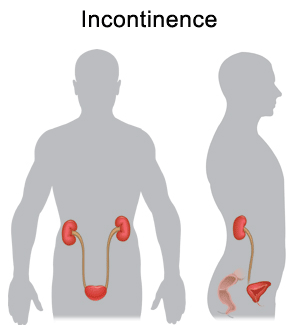
Incontinence
Incontinence is the loss of bladder or bowel control, resulting in involuntary leakage of urine or feces.
Read the article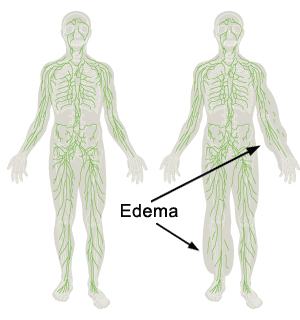
Lymphedema
It may occur after mastectomy, when lymph nodes are damaged or removed, following infection or scar formation which blocks the lymphatic fluid flow.
Read the articleDisclaimer
The information in this medical library is intended for informational and educational purposes only and in no way should be taken to be the provision or practice of physical therapy, medical, or professional healthcare advice or services. The information should not be considered complete or exhaustive and should not be used for diagnostic or treatment purposes without first consulting with your physical therapist, occupational therapist, physician or other healthcare provider. The owners of this website accept no responsibility for the misuse of information contained within this website.