
Anterior Knee Pain
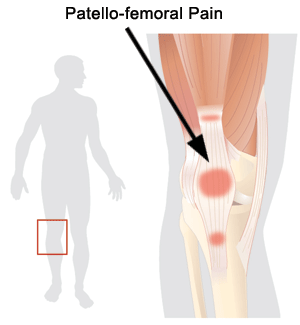
The patello-femoral joint (the joint between the kneecap and the thigh bone-called the femur) is a problematic area for many.
Request an Appointment Call Myrtle Beach Call Murrells Inlet
Excessive forces on the underside of the kneecap (causing painful stress on the cartilage on the underside of the kneecap), quadriceps tendinitis/tendinosis and patellar tendonitis/tendinosis are three common causes of pain in the front of the knee. Chondromalacia (softening of the cartilage) patella is also a common diagnosis for anterior knee pain.
Overuse and poor hip strength are often associated with these conditions. These conditions can be managed with physical therapy, taping/bracing of the knee and hip, and with the appropriate eccentric and hip stabilization exercises per your therapist's recommendations.
Possible Treatments
- Aerobic/Endurance Exercise
- Core Strengthening
- Cryotherapy or Cold Therapy
- Electrotherapeutic Modalities
- Gait or Walking Training
- Isometric Exercise
- Knee Active Range of Motion
- Knee Joint Mobilization
- Knee Resistive Range of Motion
- Neuromuscular Electrical Stimulation
- Proprioception Exercises
- Physical Agents
- Stretching/Flexibility Exercise
Possible Treatment Goals
- Decrease Risk of Reoccurrence
- Improve Fitness
- Improve Function
- Improve Muscle Strength and Power
- Increase Oxygen to Tissues
- Improve Proprioception
- Improve Range of Motion
- Self-care of Symptoms
- Improve Tolerance for Prolonged Activities
Additional Resources
More Knee articles
Patello-femoral Pain (Commonly Called Chondromalacia Patella)
Chondromalacia meaning softening of the patellar cartilage, is a common misdiagnosis.
Read the article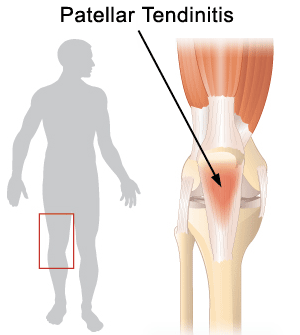
Patellar Tendinitis (Jumper's Knee)
Jumping sports (such as basketball and volleyball) put a huge load on the kneecap and attached tendons.
Read the article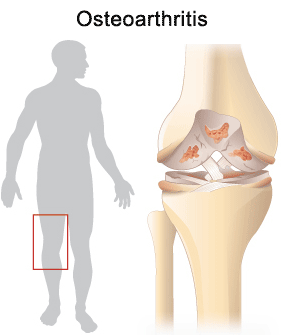
Knee Osteoarthritis
Osteoarthritis of the knee occurs when the cartilage coverings on the end of the femur and the top of the tibia wear out.
Read the articleDisclaimer
The information in this medical library is intended for informational and educational purposes only and in no way should be taken to be the provision or practice of physical therapy, medical, or professional healthcare advice or services. The information should not be considered complete or exhaustive and should not be used for diagnostic or treatment purposes without first consulting with your physical therapist, occupational therapist, physician or other healthcare provider. The owners of this website accept no responsibility for the misuse of information contained within this website.