
Knee Articles
Patient library articles on knee injuries and conditions.
Request an Appointment Call Myrtle Beach Call Murrells Inlet
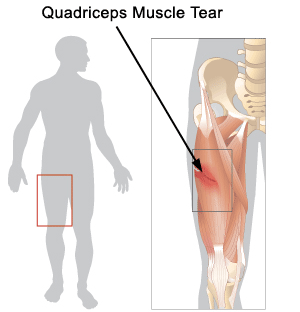
Quadriceps Muscle Strains
This injury is commonly the result of quick sprints or quick stops while running.
Read the article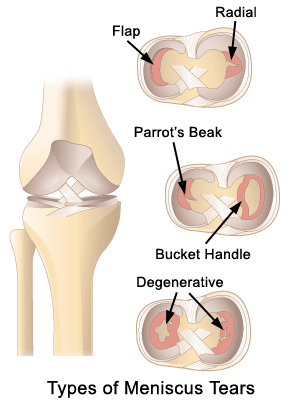
Meniscal Tears
The menisci (plural for meniscus) are cartilage pads, which function to cushion the compressive loads in the knee.
Read the article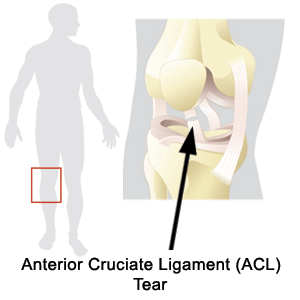
Anterior Cruciate Ligament (ACL) Tear
The cruciate (or crossing) ligament stabilizes the knee.
Read the article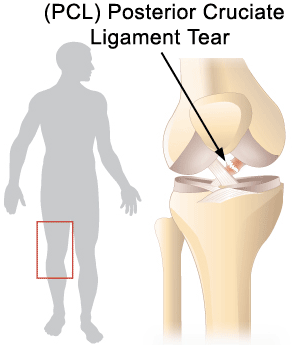
Posterior Cruciate Ligament (PCL) Tear
The posterior cruciate ligament (PCL) is stronger and less commonly injured.
Read the article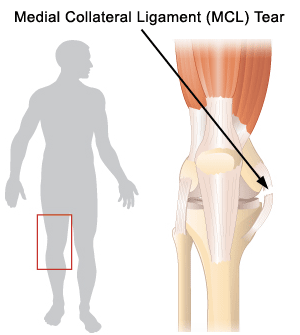
Medial Collateral Ligament (MCL) Tear
MCL tears are common injuries.
Read the article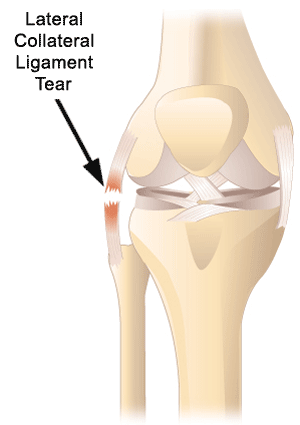
Lateral Collateral Ligament (LCL) Tears
Lateral collateral ligament tears (LCL) are less common.
Read the article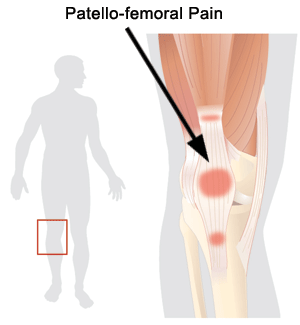
Anterior Knee Pain
The patello-femoral joint (the joint between the kneecap and the thigh bone-called the femur) is a problematic area for many.
Read the articlePatello-femoral Pain (Commonly Called Chondromalacia Patella)
Chondromalacia meaning softening of the patellar cartilage, is a common misdiagnosis.
Read the article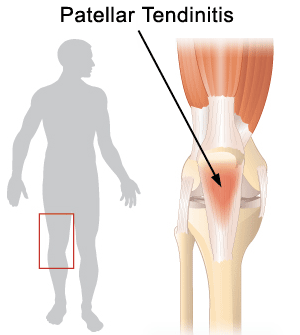
Patellar Tendinitis (Jumper's Knee)
Jumping sports (such as basketball and volleyball) put a huge load on the kneecap and attached tendons.
Read the article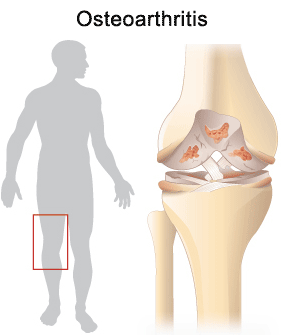
Knee Osteoarthritis
Osteoarthritis of the knee occurs when the cartilage coverings on the end of the femur and the top of the tibia wear out.
Read the article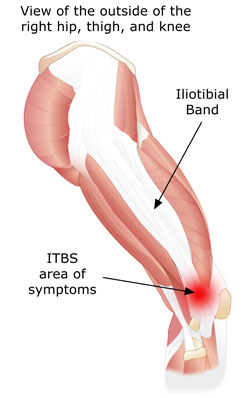
Iliotibial Band Friction Syndrome (ITBS)
The iliotibial band (ITB) is a long, flat and strong tendonous structure that originates from both the gluteus maximus and tensor facia lata (TFL)…
Read the article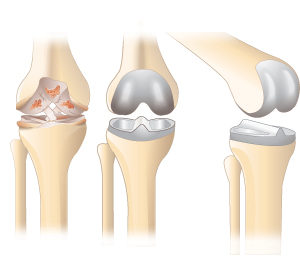
Knee Replacement
Joint replacement is becoming more common, and hips and knees are the most commonly replaced joints.
Read the articleDisclaimer
The information in this medical library is intended for informational and educational purposes only and in no way should be taken to be the provision or practice of physical therapy, medical, or professional healthcare advice or services. The information should not be considered complete or exhaustive and should not be used for diagnostic or treatment purposes without first consulting with your physical therapist, occupational therapist, physician or other healthcare provider. The owners of this website accept no responsibility for the misuse of information contained within this website.