
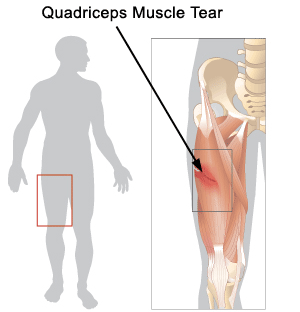
Quadriceps Muscle Strains
This injury is commonly the result of quick sprints or quick stops while running. With a muscle strain, there is localized tenderness or a “bulge” in the tender area of the thigh. The pain is aggravated by lifting the thigh (a straight leg raise), ascending/descending stairs, or getting up from a seated position.
Request an Appointment Call Myrtle Beach Call Murrells Inlet
Possible Treatments
- Aerobic/Endurance Exercise
- Core Strengthening
- Cryotherapy or Cold Therapy
- Electrotherapeutic Modalities
- Gait or Walking Training
- Heat Pack
- Hip Active Range of Motion
- Hip Joint Mobilization
- Hip Passive Range of Motion
- Hip Resistive Range of Motion
- Isometric Exercise
- Neuromuscular Electrical Stimulation
- Proprioceptive Neuromuscular Facilitation (PNF)
- Proprioception Exercises
- Physical Agents
- Soft Tissue Mobilization
- Stretching/Flexibility Exercise
Possible Treatment Goals
- Improve Balance
- Improve ability to bear weight/stand on the leg(s)
- Decrease Risk of Reoccurrence
- Improve Fitness
- Improve Function
- Improve Muscle Strength and Power
- Increase Oxygen to Tissues
- Improve Proprioception
- Improve Range of Motion
- Self-care of Symptoms
- Improve Tolerance for Prolonged Activities
Additional Resources
More Hip articles
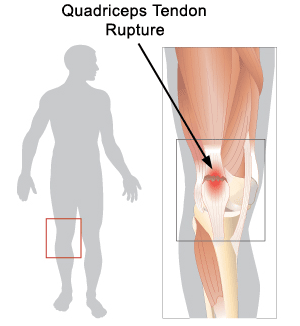
Quadriceps Tendon Rupture
This injury is often the result of forceful kicking or a traumatic impact to the tendon, which may occur with a fall.
Read the article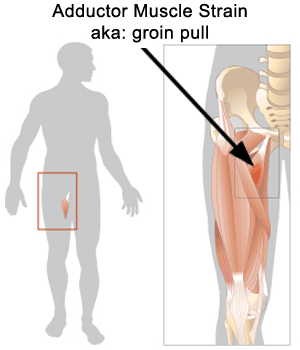
Groin Strain (Adductor Strain)
This injury usually occurs in sports where cutting, side-stepping, or pivoting are required.
Read the article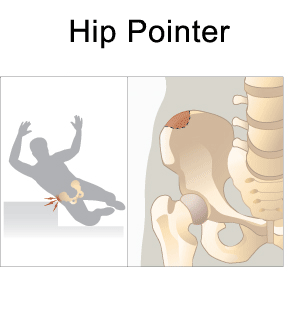
Hip Pointer
Hip pointers are the result of a direct blow to the iliac crest in sports such as football, rugby, and soccer.
Read the articleDisclaimer
The information in this medical library is intended for informational and educational purposes only and in no way should be taken to be the provision or practice of physical therapy, medical, or professional healthcare advice or services. The information should not be considered complete or exhaustive and should not be used for diagnostic or treatment purposes without first consulting with your physical therapist, occupational therapist, physician or other healthcare provider. The owners of this website accept no responsibility for the misuse of information contained within this website.